
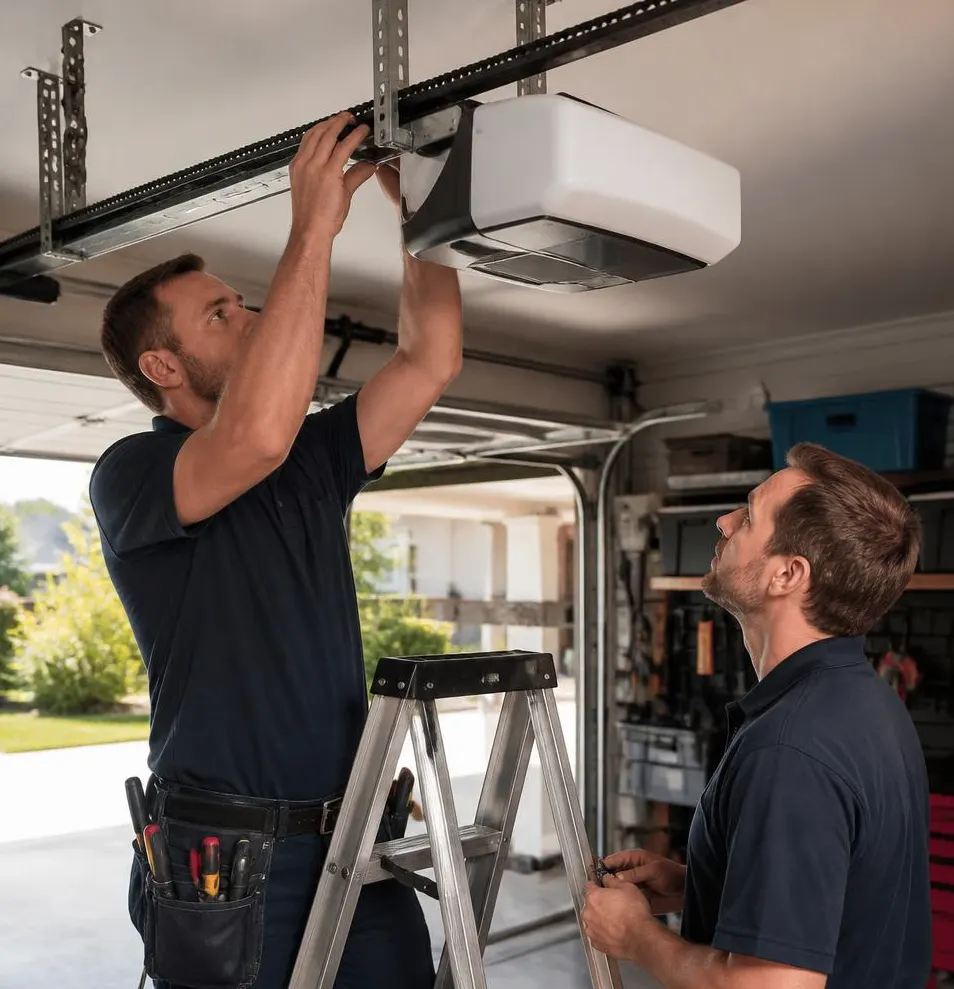
Skip this checklist and the bill usually shows up in January or February, right in the middle of the heaviest rain, when a rusted spring snaps or a waterlogged sensor leaves your door stuck halfway down. A door that's ignored through one more wet season doesn't just look worse — it costs more to fix, because corrosion and moisture damage compound quietly until something finally gives out at the worst possible moment.
Why This Season Is Different Here
Coastal San Diego doesn't get the freeze-thaw cycles that wreck garage doors inland, but it has its own combination: salt-laden air off the coast, long dry stretches that leave dust and wildfire ash coating every moving part, and then weeks of winter rain that turn that grime into a gritty paste. That mix accelerates rust on springs, tracks, and hinges faster than dry heat alone ever would. Homes closer to the water — along the bluffs, in Del Mar, Pacific Beach, or Torrey Pines — see it fastest, but even a few miles inland in Carmel Valley or Clairemont, salt air travels further than most people expect.
Start With the Seals
Weatherstripping is the cheapest insurance you have against winter rain. Run your hand along the bottom seal and the side weatherstripping — if it's cracked, flattened, or pulling away from the track, water will find its way under the door during a real downpour. A compressed or torn bottom seal also lets in dust and debris during the dry months, which then turns into sludge once the rain starts. Replacing it is a low-cost job that prevents water pooling against your foundation and keeps dry storage dry.
Check Drainage Around the Slab
Look at the grading right in front of your garage. If water tends to pool at the base of the door rather than run off, that's worth addressing before the rainy months, not during them. Standing water at the threshold accelerates rust on the bottom panel and the track ends, which are often galvanized but not immune to years of repeated soaking.
Hardware: Where Rust Actually Starts
Rollers, hinges, and track bolts are the first things to show wear from the salt-air-then-rain cycle. A light film of surface rust on hinges is normal and usually cosmetic, but pitting, flaking, or a roller that's visibly seized is a sign the hardware is past due for replacement. While you're at it, check that all the mounting bolts on the track are snug — vibration from regular use plus a wet winter can work bolts loose faster than you'd think, and loose track hardware is one of the more common causes of a door that suddenly sounds rough or runs crooked.
Springs Don't Like Moisture Either
People assume springs fail because of cold, but here the bigger enemy is rust working into the coils over repeated wet-dry cycles. A spring that's rusted loses tension unevenly, which puts more strain on the opener and can lead to a sudden, dangerous failure rather than a gradual one. If your springs are showing rust, gaps between coils, or you're coming up on the tail end of their expected cycle count, going into winter is the wrong time to find out the hard way. Spring replacement is not a DIY job — the tension involved can cause serious injury — but it's also one of the most common emergency calls that could have been scheduled ahead of time instead.
Openers and Sensors
Moisture is hard on electronics. If your opener's safety sensors sit low near the ground, splashing from rain or a hose can fog or dirty the lenses, which causes the door to reverse unexpectedly or refuse to close at all. Wipe the sensor eyes clean, confirm they're aligned, and check that any exposed wiring at the opener unit isn't frayed or sitting in a spot where runoff collects. If your opener is older and already struggling in damp mornings, this is a reasonable season to consider an upgrade rather than nursing it through another winter.
A Quick Note on Retrofits
If your garage door has been part of an earthquake retrofit — bracing on the walls or reinforced anchoring — take a minute to confirm nothing has shifted or loosened. Storm winds during winter rain events put more lateral stress on a door than most people realize, and a retrofit that's slightly loose won't do its job when you need it.
When to Call La Jolla Garage Door
If you've gone through this list and found rusted springs, a sluggish opener, or hardware that's clearly past its life, that's the point to call in a professional rather than keep patching it. La Jolla Garage Door handles Spring Replacement for doors showing wear before they fail outright, and Garage Door Maintenance visits that cover lubrication, hardware tightening, and sensor alignment in one trip — the kind of once-a-season tune-up that catches small issues before the rain turns them into bigger ones. We work throughout La Jolla and the surrounding coastal communities, including Pacific Beach, University City, Solana Beach, and Carmel Valley.
If your garage door needs attention before the rain sets in, call La Jolla Garage Door today and get it handled before winter does.